Over the past decade, the beauty and wellness industry has undergone a significant transformation. At the centre of this evolution is the rapid rise of Medi spas (medical spas) — hybrid spaces that blend clinical aesthetic treatments with the luxury and experience of traditional spa environments. Once considered niche, Medi spas are now one of the fastest-growing segments within the global wellness economy, reshaping how consumers approach beauty, ageing, and self-care.
The global medical spa market has surged past the $20 billion mark and is projected to grow significantly over the next decade, with forecasts suggesting it could exceed $70–80 billion by the early 2030s. Growth is being driven by strong double-digit annual increases, with many reports estimating a compound annual growth rate (CAGR) of around 14 – 16%. This places Medi spas amongst the most dynamic categories within both beauty and healthcare-adjacent industries.
The Shift to Preventative Beauty
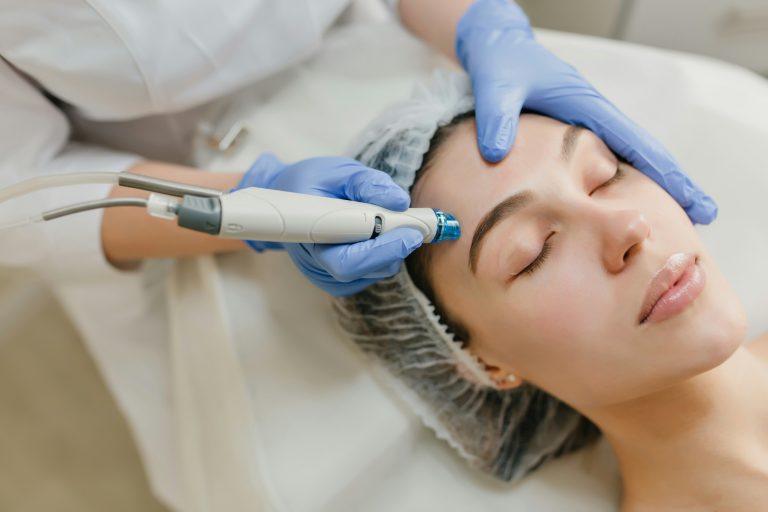
One of the key drivers behind the rise of Medi spas is a fundamental change in consumer mindset. Beauty is no longer purely aesthetic or reactive; it has become deeply intertwined with health, longevity, and prevention. Today’s consumer is less focused on correcting visible signs of ageing and more interested in delaying or preventing them altogether. This has led to increased demand for minimally invasive treatments such as injectables, laser therapies, and skin rejuvenation procedures.
Younger demographics, particularly Millennials and Gen Z, are playing a significant role in this shift, treating aesthetic procedures as part of a regular self-care routine rather than a one-off intervention.
Medical Meets Lifestyle
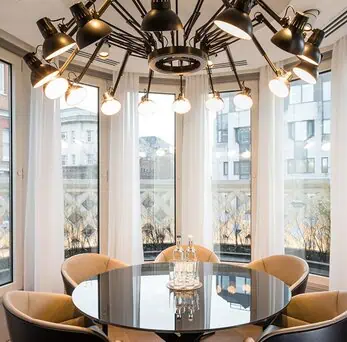
Medi spas occupy a unique position between clinical credibility and lifestyle luxury. Unlike traditional clinics, they offer a more approachable, design-led environment, often combining treatments with a hospitality-driven experience. This positioning is a major factor in their appeal combining:
- Accessibility: More affordable and less intimidating than hospital-based procedures
- Experience-led: Designed like premium retail or boutique wellness spaces
- Holistic offering: Combining aesthetics with wellness services such as IV therapy and diagnostics
This convergence reflects a broader industry shift where the boundaries between beauty, health, and lifestyle are increasingly blurred.
The Influence of Social Media and Cultural Shifts
Social media has played a crucial role in normalising and accelerating the MediSpa boom. Platforms like TikTok and Instagram have made aesthetic treatments more visible, accessible, and culturally accepted.
Procedures that were once considered taboo are now openly discussed, reviewed, and even documented in real time. This transparency has reduced stigma around aesthetic treatments, educated consumers on available options and driven demand through peer influence and content.
While Medi spas have rapidly grown in popularity, there is an increasingly visible “dark side” to the sector that cannot be ignored. The pace of expansion has, in some cases, outstripped regulation, creating gaps in oversight around practitioner qualifications, treatment standards, and patient safety. In markets like the UK, non-surgical procedures can still be performed by individuals with limited medical training, raising concerns around complications, misinformation, and inadequate aftercare.
Combined with the influence of social media, which often glamorises treatments, this has contributed to an environment where accessibility can sometimes come at the expense of safety. As the industry continues to scale, addressing these challenges will be critical to maintaining consumer trust and long-term credibility.
We’ve come across a few medispas in the UK which have become well recognised over time – Dr MediSpa is based around London and Essex, they focus on wellness, body treatments, hair and facial treatments. 111 Harley Street is another example of a medispa that has a variety of services and treatments. Established in 2007 by globally recognised expert in Plastic Surgery, Dr Yannis from 111 is world-renowned for his artistry and precision in Facelifts and facial procedures developed over his 30 years in practice.
The rise of medi spas reflects a broader cultural shift – one where beauty is no longer separated from health, and self-care is seen as an ongoing investment rather than an occasional indulgence. By combining medical expertise, advanced technology, and experiential design, Medi spas are redefining what modern beauty and wellness look like. As consumer demand continues to evolve, they are set to play an increasingly significant role in shaping the future of the industry.
What Bespoke Advantage Thinks….
The medispa sector in the UK and globally is on a strong growth trajectory. In the UK, the medical spa market is expanding rapidly and is projected to grow, with services like facial treatments and body shaping leading demand and medispas increasingly seen as lifestyle destinations blending clinical care with relaxation.
Globally, the medispa industry is expected to expand significantly over the next decade, with market size forecasts showing substantial growth driven by technological advances (lasers, AI tools, injectables), increasing consumer interest in preventative aesthetics, and a shift toward integrated wellness experiences.
About Bespoke Advantage
Bespoke Advantage is a London based international beauty brand consultancy. We are a team of experts, associates and business partners specialising in supporting our clients – award-winning entrepreneurs, well established beauty and wellness businesses, retailers, investors, trade bodies and embassies – to develop and grow their brands across the marketplace. If you are looking to launch a brand in the industry, or for support in expanding your brand across markets, get in touch, we would love to hear from you – Get in touch.